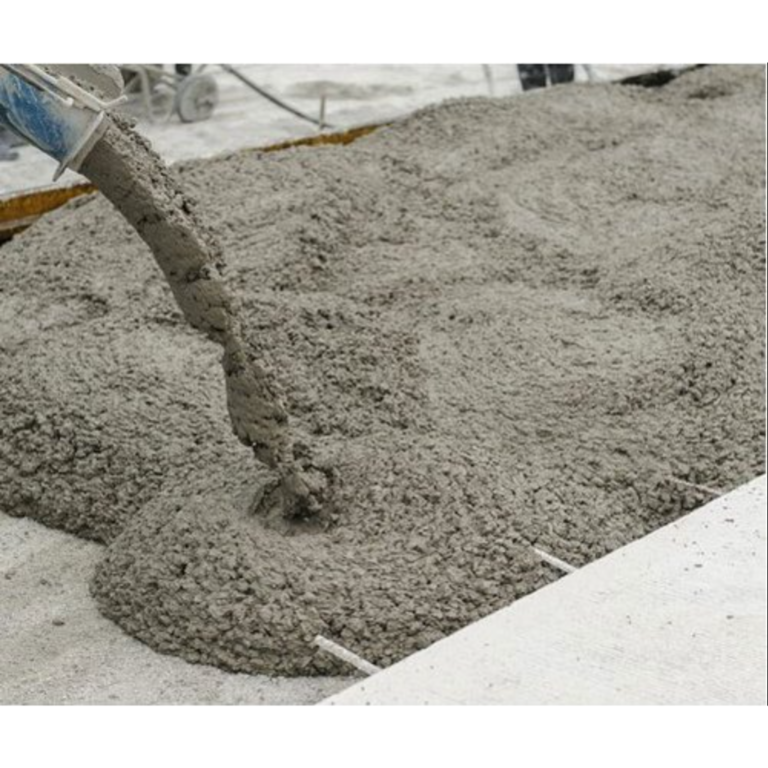
Operation in an RMC Plant is a step-by-step procedure that includes production, mixing, transportation, and delivery of ready-mixed concrete to the location. Given below is a brief overview of the entire procedure utilized in an RMC plant:
1. Procurement and Storage of Raw Material Cement: Cement is stored in silos so that it is preserved in dry form and is not exposed to moisture.
Aggregates: Aggregates (gravel, crushed stone, or sand) are stored in separate bins or heaps. They should be of good quality and size so that the mix workability and strength are sustained.
Water: Water is stored in tanks and should contain specific quality so that it does not affect the concrete.
Admixtures: The chemicals used to improve the properties of concrete (e.g., air-entraining agents, retarders, accelerators) are stored in bulk or in minor containers.
2. Batching
Batching refers to the weighing and blending of raw material in a designed proportion according to the mix of concrete. Two types of batching are discussed here:
Weight Batching: Materials are weighed (most popular method and precise).
Volume Batching: Materials are measured in volume (less precise, for small amounts).
The batching process ensures the proportion of cement, aggregates, and water to be as specified by the strength and workability of the concrete mix.
3. Mixing
After material batching, they are combined in the concrete mixer.
Drum Mixers or Planetary Mixers are used to offer efficient mixing of materials.
The time and order of mixing are regulated in order to reach the required consistency and uniformity. The concrete is mixed to make sure all the materials are well combined.
4. Quality Control
The mixed concrete is subjected to various quality control tests to make sure it complies with the required standards.
We do Slump Test & Compressive Strength Test.
Temperature Check: Verifies whether the concrete is within the proper temperature range.
5. Transportation
Transit mixers or concrete trucks are used to transport the mixed concrete to the construction site.
Transit mixers come equipped with spinning drums that preserve the mixing of the concrete as well as protect it from solidifying before distribution.
The movement time should be kept to the barest minimum to avoid concreting in transit.
6. Discharge and Pouring
Upon arrival at the project site, discharge of the concrete from the transit mixer is achieved.
The poured concrete is emptied into the casting area, molds, or formwork depending on the construction site requirements.
Pump Trucks or Boom Pump will be used if site placement is high or hard to reach.
7. Disposal of Excess Concrete
Any excess concrete that is stored in the transit mixer or left on-site must be disposed of.
Some plants recycle excess concrete by crushing and reusing the same as aggregate in future mixes.
Advantages of RMC Plants:
Uniform Quality: Since the concrete is pre-mixed under controlled conditions, the mix quality remains uniform.
Saves Time: Ready-mix concrete is delivered pre-mixed, and hence time is saved on the construction site.
Lower Labor Costs: Batching, mixing, and quality control are carried out in the plant, saving on labor costs on site.
Lower Wastage: Since concrete is produced to order, wastage is minimized.
Quick Construction: Rapid delivery and handling improve the speed of construction operations.
In brief, the RMC plant process is a controlled and effective process for producing quality concrete for construction activities with advantages in quality, time, and consistency.